
Representing the EGFR+ Community at BTOG
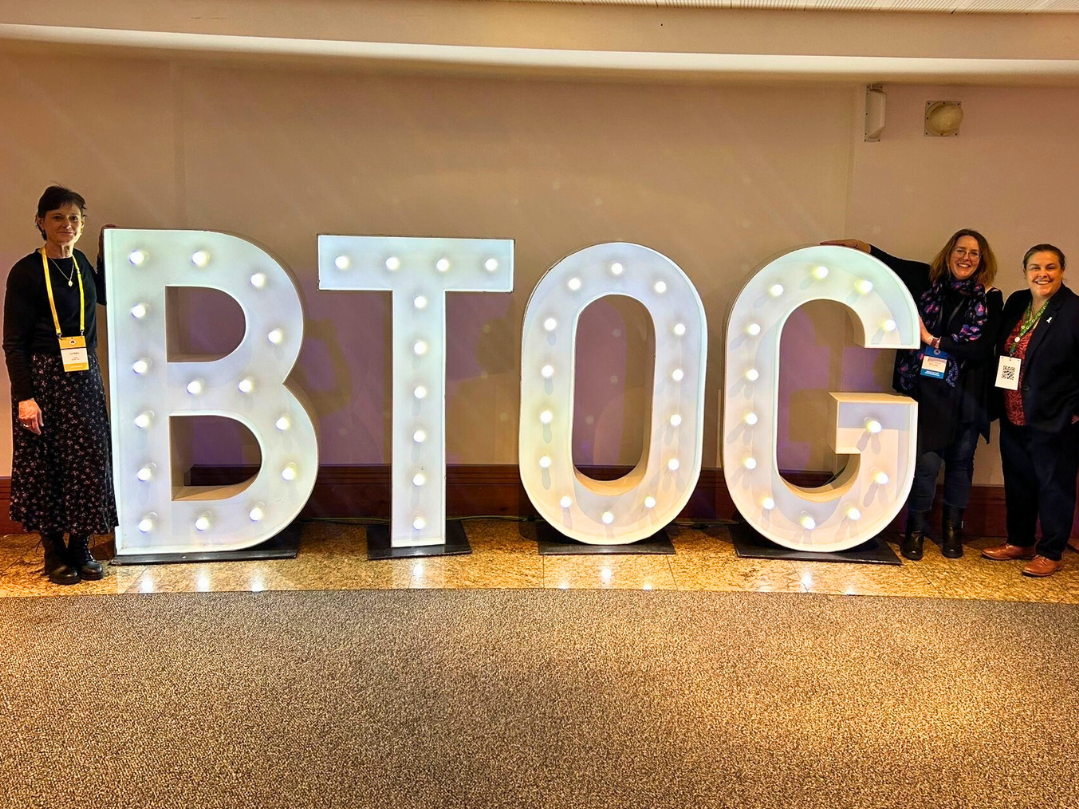
From 4-6 March, members of our charity team attended the British Thoracic Oncology Group (BTOG) conference - one of the UK’s key meetings for lung cancer clinicians, researchers and advocates.
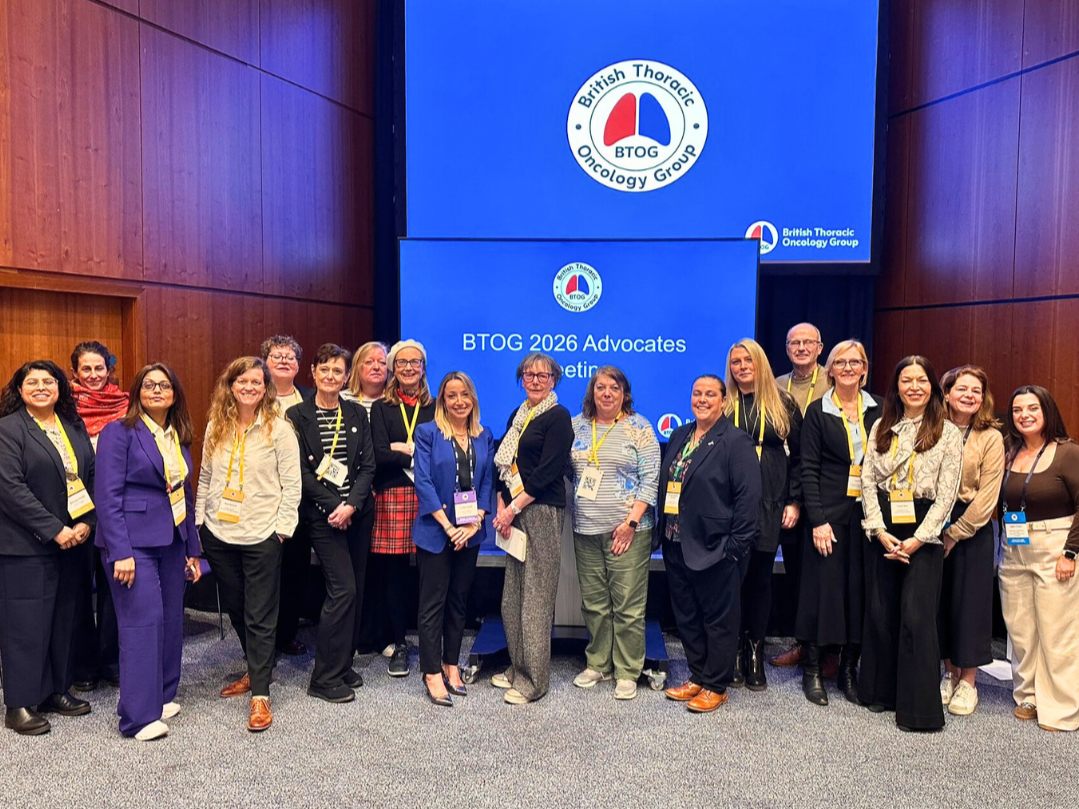
Attending BTOG is an important opportunity for us to ensure the voices of people living with EGFR+ lung cancer are represented in national conversations about research, treatment and care. Throughout the conference, we raised awareness of EGFR+ disease, shared our charity’s work, and spoke with healthcare professionals about the issues that matter most to our community, including monitoring, communication and access to support.
We also shared copies of our community survey and our position statement on care and monitoring after adjuvant Osimertinib, helping to bring lived experience directly into discussions with clinicians and decision-makers.
Among the sessions most relevant to EGFR+ lung cancer was a radiotherapy symposium exploring the role of local consolidative treatment (LCT) in metastatic disease. Research continues to explore how targeted radiotherapy may benefit some people with limited metastatic disease at diagnosis or limited progression later on, helping some stay on effective treatment for longer and potentially improving progression-free and overall survival.
An advocates' meeting also provided useful insight into why biomarker testing can sometimes take time, with discussion focusing not only on the complexity of the testing process but also on the need for clearer communication to reduce anxiety during diagnosis.
There was also encouraging discussion of advances in robotic and minimally invasive lung surgery, which may enable surgery in more complex cases, and of new clinical trials designed to improve quality of life, increase access to research, and reduce complications such as blood clots during treatment.
Most importantly, BTOG gave us the chance to make sure the EGFR+ community is visible, heard and included -bringing your experiences into conversations that help shape the future of lung cancer care.